
Google's March 2026 Core Update: A Clear Shift Toward Real Value
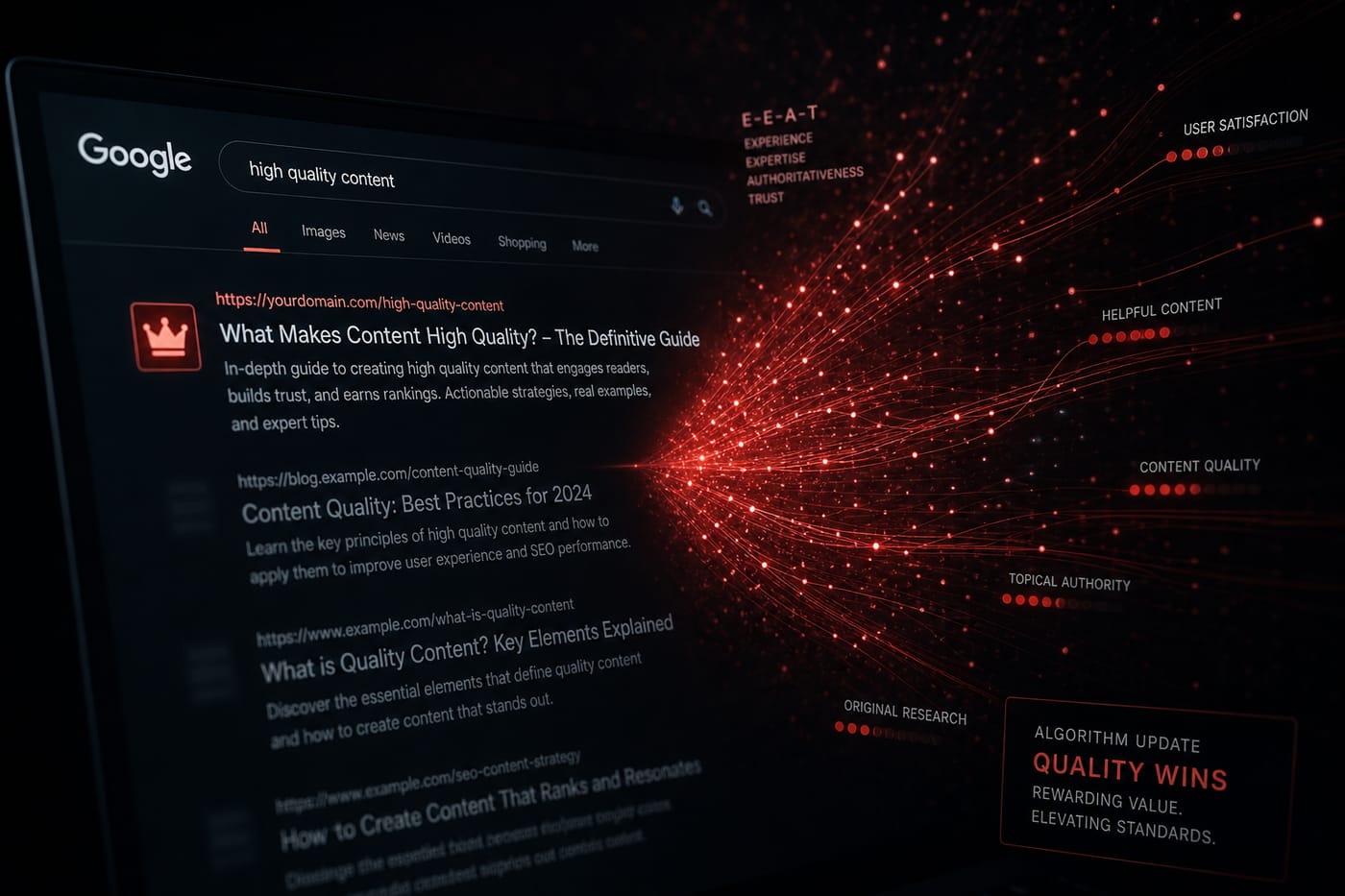
Google's March 2026 Core Update began rolling out on March 27, shortly after the Spam Update ended. By March 31, ranking volatility had peaked across industries. The update goes beyond minor adjustments — Google is now rewarding originality, clarity, and real expertise while pushing down thin, repetitive content.
Google's March 2026 Core Update began rolling out on March 27, shortly after the Spam Update ended. By March 31, ranking volatility had peaked, with noticeable shifts across industries. Core updates typically take about two weeks to stabilize, so fluctuations may have continued until around April 10 — but the overall direction was already clear.
What This Update Focuses On
This update goes beyond minor adjustments. Google is refining how it measures content quality, focusing less on keywords and more on meaning, originality, and usefulness. In simple terms, content that doesn't offer something new is losing visibility. If your SEO strategy is built on rewritten or aggregated content, this update is a direct signal to change course.
Key Changes Driving the Update
Information Gain Matters More Than Ever
Google now prioritizes content that adds fresh insights — original data, real experience, or unique perspectives. Rewritten or summarized content is falling behind. Businesses investing in SEO and digital marketing need to ensure their content teams are producing genuinely differentiated material.
Smarter Semantic Filtering
A new layer often linked to Gemini 4.0 appears to filter out content that feels generic or padded. It's not about AI — it's about depth. Thin, repetitive content is being pushed down regardless of how it was written.
Tighter User Intent Matching
Pages that answer queries directly are winning. Content that delays answers, overexplains, or adds fluff is losing rankings. This is especially relevant for businesses relying on web development teams to build content-heavy landing pages — every page needs to earn its place in search.
Stronger E-E-A-T Signals for Sensitive Topics
In areas like health, finance, and law, Google now favors clearly identifiable experts. Anonymous or vague authorship is becoming less effective. Demonstrating expertise through well-structured website design and clear author attribution is increasingly important.
Early Trends: Winners vs. Losers
What's Performing Well
- Niche experts sharing real insights and experiences
- Community-driven platforms like Reddit, Quora, and Yelp
- Original research, case studies, and hands-on guides
What's Losing Visibility
- Aggregator and affiliate-heavy content with no real value
- Generic informational blogs with no unique angle
- Large-scale, programmatic SEO content operations using standard inputs
What You Should Do Now
Avoid making drastic changes during the rollout. Core updates often cause temporary fluctuations, and some sites recover as things stabilize. The best approach is to monitor performance, gather data, and wait until mid-April before taking action. If you're unsure whether your content is holding up, a professional search engine optimization audit can surface the gaps before they compound.
Final Takeaway
This update reinforces a clear message: surface-level SEO no longer works. Google now rewards originality, clarity, and real expertise. With weekly tracking of over 350K keywords across 7K+ active campaigns, we have a strong bird's-eye view of performance patterns, search shifts, and industry-wide movement. Our campaigns have remained stable, with no drop in performance observed — giving us added confidence that the paid search and organic strategies we implement are robust, adaptable, and built to stand strong in an evolving search landscape.
Frequently Asked Questions
What was Google's March 2026 Core Update?
It was a broad algorithm update beginning March 27, 2026, focusing on content quality, information gain, user intent matching, and E-E-A-T signals for sensitive topics.
How is this update different from past ones?
This update places greater emphasis on semantic depth and originality. Generic or rewritten content is filtered more aggressively, while content with real-world expertise is rewarded.
Should I make changes to my site right away?
No. Wait until the rollout stabilizes before making significant changes. Monitor your data and look for patterns before acting.
What content is being rewarded?
Original research, niche expertise, direct answers to user queries, and content with clear authorship are all seeing positive movement.
How do I know if my site was affected?
Check Google Search Console for impression and click drops starting around March 27. Compare traffic before and after the rollout window to identify meaningful changes.